The Best Smartwatches and Fitness Trackers Under 100 Dollars
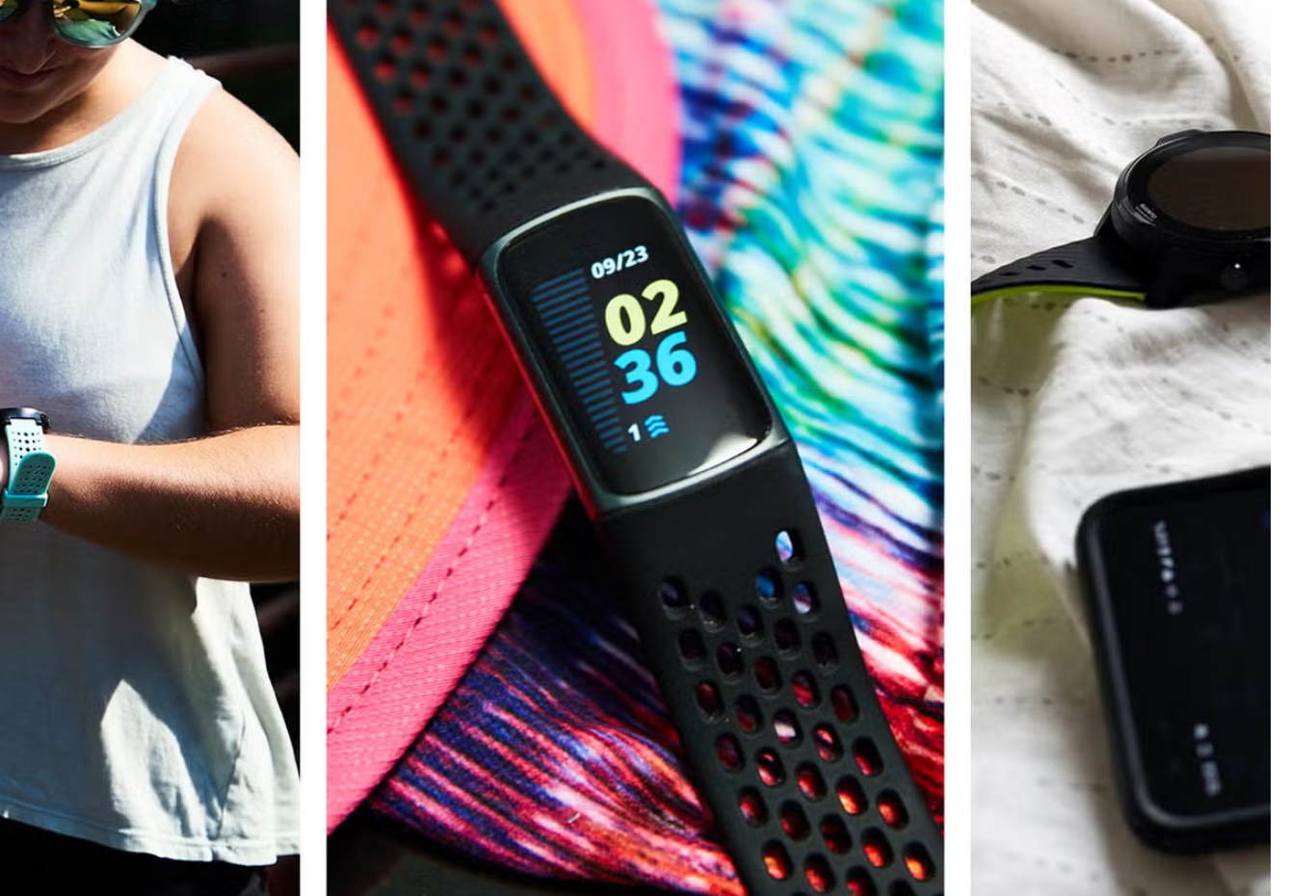
You don't need to spend hundreds of dollars to track your workouts, monitor daily activity, and receive useful health and fitness insights. In 2026, the under-$100 smartwatch and fitness tracker market offers surprisingly capable devices with features such as heart-rate monitoring, sleep tracking, AMOLED displays, workout modes, and, on some models, built-in GPS.
The key is knowing which features actually matter and which budget devices provide the best balance of price, battery life, fitness tracking, and everyday usability.
Whether you're looking for your first fitness tracker, a simple smartwatch for daily use, or an affordable workout companion, there are several good options worth considering.
What Can You Get for Under $100?
A $100 budget used to mean accepting very basic activity tracking. That's changed significantly.
Today's affordable trackers can offer features such as:
- Step and distance tracking
- Heart-rate monitoring
- Sleep tracking
- Blood oxygen monitoring
- Multiple workout modes
- Calorie tracking
- Smartphone notifications
- AMOLED color displays
- Water resistance
- Long battery life
- GPS on selected models
Some current sub-$100 devices offer battery life measured in weeks rather than days. However, features vary considerably between models, so a lower price doesn't automatically mean better value.
1. Amazfit Active 2 — Best Overall Budget Smartwatch
The Amazfit Active 2 is one of the strongest choices if you want something that feels more like a traditional smartwatch while staying around the $100 mark.
Recent testing and buying guides have highlighted it as a standout budget option, with a $99 price point and features that include GPS, health tracking, sleep monitoring, and NFC payments.
Why Consider It?
- Built-in GPS
- Color AMOLED display
- Heart-rate monitoring
- Sleep tracking
- Multiple fitness modes
- NFC payment support
- Stylish smartwatch design
It's particularly attractive for people who want fitness features without giving up the look and functionality of a conventional smartwatch.
Best for: People who want a smartwatch-style experience under $100.
2. Xiaomi Smart Band 10 — Best for Battery Life
If battery life is your biggest priority, the Xiaomi Smart Band 10 deserves attention.
Current 2026 guides list it as one of the strongest affordable fitness trackers, with an AMOLED display, extensive activity tracking, and battery life of up to around 21 days depending on usage.
Its slim design also makes it less noticeable on your wrist than a traditional smartwatch.
Why Consider It?
- Large AMOLED display
- Very long battery life
- Extensive workout tracking
- Heart-rate monitoring
- Sleep tracking
- Lightweight design
- Affordable price
The main limitation is that it is more of a fitness band than a full smartwatch, so people wanting extensive smartwatch applications may prefer another option.
Best for: Users who want long battery life and essential fitness tracking.
3. Fitbit Inspire 3 — Best for Simple Fitness Tracking
The Fitbit Inspire 3 remains a strong choice for people who don't need a large smartwatch display.
Current comparisons continue to recommend it for straightforward activity, heart-rate, and sleep tracking. Its typical retail price can fall below its original $99.95 MSRP, making it particularly attractive when discounted.
The device is small and lightweight, making it suitable for people who want to wear a tracker throughout the day and night.
Why Consider It?
- Compact design
- AMOLED display
- Heart-rate tracking
- Sleep monitoring
- Stress-related features
- Around 10 days of battery life
- Easy-to-use companion ecosystem
One important consideration is GPS: the Inspire 3 uses connected GPS rather than having full GPS hardware built into the tracker.
Best for: Beginners who want simple and reliable fitness tracking.
4. Amazfit Bip 6 — Best Budget Option With GPS
If built-in GPS is important but you don't want to spend much, the Amazfit Bip 6 is another interesting choice.
The model has been highlighted as a particularly capable sub-$100 GPS smartwatch. It launched at $79.99 and includes multi-system GPS alongside a large AMOLED display.
That combination makes it appealing to runners, walkers, and cyclists who want location tracking without depending entirely on their phone.
Why Consider It?
- Built-in GPS
- Large AMOLED screen
- Long battery life
- Multiple sports modes
- Heart-rate monitoring
- Affordable price
Best for: Runners and outdoor exercisers on a strict budget.
5. Amazfit Band 7 — A Cheap Everyday Fitness Band
For shoppers who simply want basic fitness features at a low price, the Amazfit Band 7 can be worth considering.
It's an older model compared with some of the newest budget trackers, but its combination of AMOLED display, long battery life, and fitness features can make it a good value when heavily discounted. Current 2026 comparisons list it around the $50 range.
Best for: Casual users who want an inexpensive fitness band.
Smartwatch vs. Fitness Tracker: Which Should You Buy?
Before choosing a device, understand the difference.
A fitness tracker generally focuses on activity, health, and workout information. It tends to be smaller, lighter, and more battery-efficient.
A smartwatch usually offers a larger screen and more smartphone-style functions, such as notifications, apps, music controls, payments, and additional communication features.
Choose a fitness tracker if you mainly want:
- Steps
- Sleep tracking
- Heart rate
- Workout tracking
- Long battery life
- A lightweight design
Choose a smartwatch if you also want:
- A larger screen
- Smartphone notifications
- Music controls
- GPS
- Payments
- More smartwatch functions
For fitness-focused buyers, spending the entire $100 budget on a basic smartwatch isn't necessarily the best choice. A good fitness band may provide better battery life and more focused tracking.
Don't Ignore Battery Life
Battery life can make a major difference in your everyday experience.
A device that needs charging every day can become annoying, especially if you're using it to monitor sleep. Some budget trackers now offer battery life measured in one to three weeks, depending on the model and usage.
However, features such as GPS, an always-on display, frequent notifications, and continuous measurements can reduce battery life.
When comparing products, look at real-world battery performance, not just the manufacturer's maximum claim.
Check Whether GPS Is Built In
GPS is one of the most important differences between affordable wearables.
Built-in GPS allows the watch to record your outdoor route without requiring your phone.
Connected GPS uses your smartphone to provide location information.
If you regularly run, walk, hike, or cycle outdoors, built-in GPS can be extremely useful.
If you normally exercise indoors or carry your phone anyway, connected GPS may be perfectly adequate and can help keep the price lower.
Consider Phone Compatibility
Before purchasing any smartwatch or fitness tracker, check whether it works properly with your smartphone.
Some devices support both Android and iPhone, while others provide their best experience within a particular ecosystem.
Don't assume that every budget smartwatch will work equally well with every phone.
Check:
- Android compatibility
- iPhone compatibility
- Required companion app
- Notification support
- Music controls
- Payment compatibility
- Available features by phone type
This can prevent an inexpensive purchase from becoming an expensive disappointment.
Are Health Features Worth Paying For?
Heart-rate monitoring, sleep tracking, blood oxygen measurements, stress tracking, and other wellness features are increasingly common in inexpensive wearables.
But remember that consumer wearables are primarily designed for wellness and fitness purposes. Don't treat a budget smartwatch as a replacement for professional medical equipment or medical advice.
Instead, use these features to understand general activity patterns and support healthy habits.
Look for Discounts on Older Models
You don't always need the newest device.
When a new model launches, retailers often discount previous-generation products. An older tracker with reliable hardware can provide excellent value if its software remains supported.
This is particularly useful if your budget is closer to $50 than $100.
Before buying an older model, check:
- Current price
- Software support
- Battery condition if buying used
- Warranty
- App compatibility
- Availability of replacement bands
What Should You Avoid?
A low price can be tempting, but extremely cheap unknown-brand smartwatches may have significant limitations.
Be cautious if a product makes unrealistic claims about professional-level health measurements or offers dozens of features for an unusually low price.
Also check whether important features require a paid subscription. Some fitness platforms put advanced insights behind monthly or annual plans, while other budget devices provide many core features without a subscription.
How to Choose the Right One
The best device depends on what you actually need.
For overall smartwatch features: Amazfit Active 2 is a strong choice around the $100 range.
For maximum battery life: Xiaomi Smart Band 10 is particularly attractive.
For simple fitness tracking: Fitbit Inspire 3 is an easy option for beginners.
For affordable built-in GPS: Amazfit Bip 6 stands out.
For the lowest-cost basic tracking: Look for discounted fitness bands such as the Amazfit Band 7.
Final Thoughts
You don't need to spend several hundred dollars to start tracking your fitness.
The best smartwatches and fitness trackers under $100 can provide many of the features most casual users actually need, including heart-rate monitoring, sleep tracking, workout modes, smartphone notifications, and long battery life.
The right choice ultimately depends on your priorities. If you want a traditional smartwatch experience, consider the Amazfit Active 2. If battery life matters most, the Xiaomi Smart Band 10 is worth a closer look. For simple health and activity tracking, the Fitbit Inspire 3 remains a practical option.
Most importantly, don't buy based only on the number of features listed on the box. Choose a device that fits your phone, exercise routine, charging habits, and budget.