How to Choose an Affordable Home Air Purifier That Works
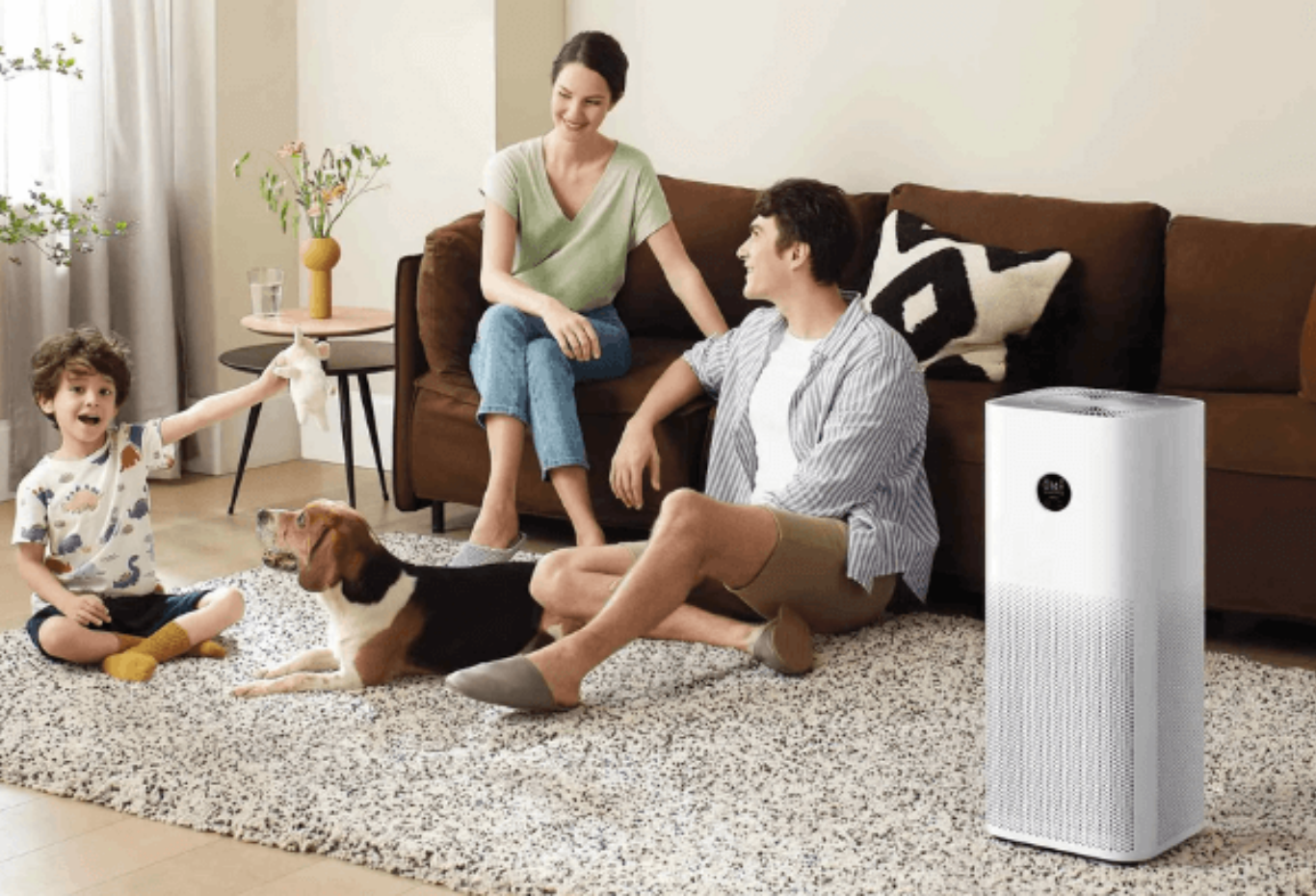
Indoor air can contain dust, pollen, smoke, pet dander, odors, and other airborne particles. Because people spend a significant amount of time indoors, choosing the right home air purifier can be a practical way to improve indoor air quality.
However, buying an air purifier isn't as simple as choosing the cheapest model or the one with the highest number of stars on a shopping website. Different purifiers are designed for different room sizes and air-quality concerns. Some are excellent at capturing particles, while others focus more on odors or specific contaminants.
The good news is that you don't have to spend a fortune to find an effective air purifier. By understanding important specifications and avoiding unnecessary features, you can choose an affordable air purifier that actually suits your home.
What Does an Air Purifier Do?
An air purifier is a device that pulls indoor air through filters or other purification technologies and then releases treated air back into the room.
Most consumer air purifiers are designed primarily to reduce airborne particles such as:
- Dust
- Pollen
- Pet dander
- Mold particles
- Smoke particles
- Other fine airborne particles
Many models use a fan to circulate room air through a filter. The effectiveness of the purifier depends on factors such as the filter, airflow, room size, and how long the device operates.
Before buying one, identify what you want the purifier to accomplish. A device intended mainly for dust removal may have different requirements from one intended to help with smoke or odors.
Start With Your Room Size
One of the biggest mistakes when buying an affordable air purifier is choosing a model that is too small for the room.
Air purifiers are generally designed for particular room sizes or airflow capacities. A compact purifier may work well in a bedroom but struggle to provide sufficient air circulation in a large living room.
Measure the room and compare its size with the manufacturer's recommended coverage.
Consider the space where you'll actually use the purifier:
Small room: Bedroom, office, nursery, or study
Medium room: Larger bedroom, dining area, or small living room
Large room: Open-plan living area or large family room
If you have a large open space, don't assume that a tiny desktop purifier will provide the same performance as a properly sized unit.
Look for a Quality Particle Filter
For many households, filtration is the most important consideration.
HEPA filters are widely used in air-cleaning systems because they are designed to capture very small airborne particles. When comparing products, look at the manufacturer's specific claims about filtration performance rather than relying solely on labels or marketing language.
A good filter can help capture particles such as dust, pollen, and other fine particulate matter.
However, remember that an air purifier doesn't eliminate every indoor air problem. It won't remove dust that has already settled on furniture or floors until that dust becomes airborne and passes through the purifier.
Regular cleaning is still important.
Consider a Carbon Filter for Odors
If odors are one of your main concerns, look for an air purifier that includes activated carbon or another appropriate gas-adsorption filter.
Carbon filters can help reduce certain odors and gaseous pollutants.
They are particularly useful in homes where you experience:
- Cooking odors
- Pet odors
- Smoke smells
- General household odors
The amount and quality of carbon matter. A thin carbon-coated filter may not perform like a purifier containing a substantial amount of activated carbon.
If odor removal is your primary goal, look beyond the words "carbon filter" and check what the manufacturer actually provides.
Check the CADR Rating
Clean Air Delivery Rate (CADR) is an important specification when comparing air purifiers.
CADR provides information about how quickly a purifier can deliver filtered air for certain particle categories. In the United States, the Association of Home Appliance Manufacturers (AHAM) uses CADR as part of its air-cleaner certification program.
A higher CADR generally means the unit can clean a room more quickly, assuming comparable conditions.
When shopping, don't focus only on the physical size of the purifier. Compare its airflow performance with the size of the room you want to clean.
A slightly more expensive purifier with substantially better airflow may provide better value than a very cheap model that is underpowered for your space.
Pay Attention to Replacement Filter Costs
The purchase price isn't the only cost.
Air purifier filters eventually need to be replaced. Replacement frequency depends on the filter type, air quality, usage, and manufacturer's recommendations.
Before buying, search for the replacement filter price.
For example, a purifier might cost $80 initially, but if its replacement filter costs $60 and needs frequent replacement, its long-term cost could become much higher than expected.
Compare:
Initial price + replacement filters + electricity costs = total ownership cost
This is one of the best ways to identify a genuinely budget-friendly air purifier.
Consider Energy Consumption
An air purifier works best when you actually use it. Therefore, electricity consumption matters.
Check the manufacturer's power specifications and consider how many hours per day you'll run the machine.
A low-energy model can be attractive if you plan to operate it continuously.
However, don't choose a significantly weaker purifier simply because it consumes slightly less electricity. A properly sized, efficient purifier may provide better overall value.
Noise Level Matters
A noisy air purifier may discourage you from using it, especially in a bedroom.
Look at the manufacturer's noise specifications if available. Also check independent reviews for comments about sound levels.
A purifier may be quiet on its lowest setting but noticeably louder at maximum speed.
For bedrooms and home offices, consider whether the purifier has:
- Sleep mode
- Multiple fan speeds
- Automatic speed control
- A low-noise setting
Remember that the quietest setting may provide less airflow, so balance noise with cleaning performance.
Avoid Paying Extra for Unnecessary Features
Modern air purifiers can include numerous smart features.
Some models offer:
- Wi-Fi connectivity
- Smartphone applications
- Air-quality sensors
- Voice assistant integration
- Remote controls
- Automatic modes
- Display screens
These features can be convenient, but they aren't necessarily essential.
If your primary goal is affordable air purification, prioritize:
Effective filtration + adequate airflow + reasonable operating cost
A basic purifier with a good filter and appropriate airflow can be a better purchase than a feature-packed model with mediocre performance.
Check the Air-Quality Sensor
Some air purifiers include built-in sensors that monitor particulate levels and automatically adjust fan speed.
This can be useful if you don't want to manually change the settings throughout the day.
For example, the purifier might increase its fan speed when it detects an increase in airborne particles and reduce speed when conditions improve.
However, treat built-in sensor readings as useful indicators rather than laboratory-grade measurements. Sensor quality varies between products.
If automatic operation isn't important to you, you can save money by choosing a simpler model.
Think About Portability
If you plan to move the purifier between rooms, portability becomes important.
A lightweight model with a convenient handle can be useful for moving between:
- Bedroom
- Living room
- Home office
- Guest room
However, if you're buying a purifier for a single large room, portability may not matter.
Think about where you'll use it most frequently rather than paying extra for features you won't need.
Read Reviews Beyond the Star Rating
Online reviews can help you identify problems that aren't obvious from product specifications.
Instead of reading only five-star reviews, examine lower-rated and recent reviews.
Look for recurring complaints about:
- Excessive noise
- Expensive filters
- Weak airflow
- Poor durability
- Difficult controls
- Unavailable replacement filters
- Misleading room-size claims
One negative review doesn't necessarily mean a product is bad. But if dozens of customers report the same issue, take it seriously.
Be Careful With Marketing Claims
Air purifier advertisements can sometimes make impressive claims about "removing everything from the air."
Be skeptical of vague statements.
Look for measurable information such as:
- Filter type
- CADR
- Recommended room size
- Airflow
- Energy consumption
- Replacement filter information
- Certification or testing information
If a product makes extraordinary claims but provides little technical information, consider another option.
Should You Buy a HEPA Air Purifier?
For many homes, a HEPA-based air purifier is a sensible starting point when the primary goal is reducing airborne particles.
But don't assume that every product using the word "HEPA" is identical. Check the manufacturer's specifications and understand exactly what type of filter is being used.
If you are primarily concerned about odors or certain gases, particle filtration alone may not be enough. In that situation, a purifier with an appropriate activated-carbon filter may be more suitable.
Where Should You Put an Air Purifier?
Placement can affect how effectively an air purifier circulates air.
Avoid placing the device where furniture, curtains, or walls block the air intake or outlet.
Keep sufficient clearance around the unit according to the manufacturer's instructions.
For a bedroom, placing it where air can circulate freely throughout the room is generally more practical than hiding it behind furniture.
Don't put the purifier somewhere that makes it difficult to maintain or replace the filter.
A Simple Budget Air Purifier Buying Checklist
Before purchasing, ask these questions:
✓ Is the purifier suitable for my room size?
✓ Does it have an effective particle filter?
✓ Is the CADR appropriate for the room?
✓ Does it include activated carbon if I need odor control?
✓ How much do replacement filters cost?
✓ How often will the filter need to be replaced?
✓ Is the noise level acceptable?
✓ How much electricity does it use?
✓ Are the extra smart features actually useful to me?
✓ Does the manufacturer provide clear specifications?
✓ Can I easily purchase replacement filters?
If a low-priced purifier performs well across these categories, it may be a much better deal than a more expensive model.
Final Thoughts
Choosing an affordable home air purifier that works is mainly about understanding what you're buying rather than choosing the cheapest product available.
Start with your room size and indoor air concerns. Then compare filtration, airflow, CADR, noise, energy consumption, and replacement-filter costs. If you need odor control, consider a model with an appropriate activated-carbon filter. If you simply want particle reduction, focus on effective particle filtration and sufficient airflow.
You don't need a purifier covered in expensive smart features to improve your indoor air-cleaning setup. A well-sized, properly maintained unit with effective filtration can provide much better value.
Most importantly, remember that an air purifier works alongside—not instead of—basic home maintenance. Regular cleaning, controlling indoor pollution sources, adequate ventilation when appropriate, and changing filters on schedule all contribute to better indoor air quality.
With a little research, you can find a budget-friendly air purifier that fits your room, your needs, and your long-term household budget.