How to Find Authentic Vintage Accessories Without Paying Hype Prices
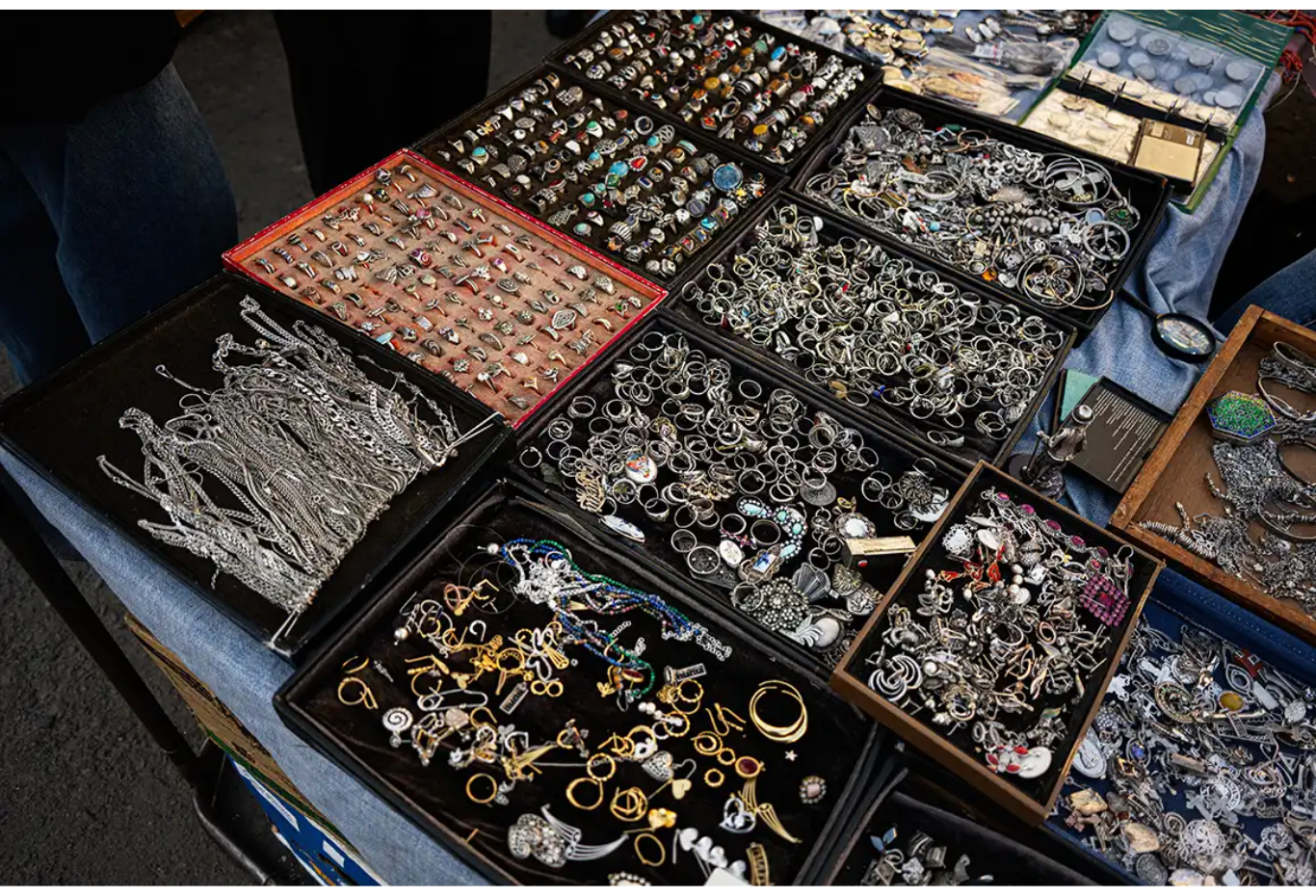
Vintage accessories have a special appeal. Unlike mass-produced fashion items, they often have history, character, and designs that are difficult to find in modern collections. From vintage handbags and watches to jewelry, belts, scarves, sunglasses, and statement pieces, the right accessory can make an outfit feel completely different.
However, buying vintage can also be confusing. Popular pieces from well-known brands can carry extremely high prices, especially when an item becomes trendy on social media. The good news is that you do not have to pay inflated “hype prices” to find authentic vintage accessories.
With some research, patience, and careful shopping, you can discover beautiful vintage pieces at reasonable prices. Here is how to do it.
1. Learn What Makes an Accessory Truly Vintage
Before you start shopping, understand what “vintage” actually means.
Generally, vintage fashion refers to older items that represent a particular period or era. While there is no single universal definition, vintage pieces are commonly associated with items that are at least around 20 years old.
Vintage is different from antique, which generally refers to much older objects, often at least 100 years old.
Understanding the difference can help you avoid misleading listings. Some sellers may describe modern products as “vintage-inspired” simply because they have an older-looking design.
Look at the item's construction, materials, labels, hardware, stitching, packaging, and overall design to determine whether it genuinely comes from the claimed period.
2. Research the Style Before Looking for the Deal
One of the biggest mistakes buyers make is searching for a bargain before learning what they are looking for.
Instead, spend some time researching vintage styles and identifying the characteristics of different eras.
For example, accessories from the 1970s may have different shapes, materials, colors, and patterns compared with pieces from the 1990s.
Study old fashion catalogs, archived advertisements, museum collections, fashion books, and reputable vintage sellers. Pay attention to details such as logos, hardware shapes, stitching patterns, fabric types, and manufacturer markings.
The more familiar you become with an item, the easier it becomes to recognize a good deal.
3. Don't Focus Only on Famous Brands
Designer names can dramatically increase the price of vintage accessories.
While a vintage designer handbag or watch can be an excellent purchase, you can often find equally interesting pieces by looking beyond the most recognizable names.
Explore lesser-known brands and independent manufacturers from the same era. Vintage accessories from smaller labels can have excellent craftsmanship and distinctive designs without the premium associated with famous names.
This is one of the best ways to avoid hype pricing.
Instead of asking, “What is the most popular vintage brand right now?” ask, “What has good quality and a style I genuinely like?”
4. Shop at Thrift Stores and Estate Sales
If your main goal is finding authentic vintage accessories at affordable prices, do not limit yourself to fashionable vintage boutiques.
Thrift stores, estate sales, flea markets, charity shops, and local secondhand stores can be excellent sources.
These places may not always have perfectly photographed or professionally described products. That can actually work in your favor.
A vintage accessory sitting unnoticed in a local shop may be priced according to its condition rather than its current popularity online.
Estate sales can be especially interesting because accessories may come from personal collections accumulated over many years.
5. Explore Online Resale Marketplaces Carefully
Online marketplaces have made vintage shopping much easier, but they also require caution.
Search using specific terms rather than only popular product names. For example, instead of searching for “designer vintage handbag,” try terms related to the decade, material, shape, or style.
You can also save searches and check listings regularly. New items are constantly added, and good deals may disappear quickly.
When shopping online, carefully examine the seller's photographs and description. Look for clear pictures of labels, serial numbers, hardware, stitching, closures, and other identifying features.
If the listing contains only a few low-quality photographs, consider asking the seller for additional images before purchasing.
6. Learn How to Spot Authenticity
Authenticity is one of the most important considerations when buying vintage accessories.
Unfortunately, counterfeit products can appear on both online and offline marketplaces.
There is no single feature that can prove authenticity in every situation. Instead, evaluate multiple details together.
Check:
- Brand labels and logos
- Stitching quality
- Hardware and engravings
- Serial numbers or date codes, when applicable
- Material and construction
- Interior labels
- Zippers and closures
- Packaging and accessories
- Seller history and reputation
Be especially cautious when a highly desirable item is being offered at an unusually low price.
A bargain is not necessarily a bargain if the item turns out to be counterfeit.
For expensive purchases, consider using a reputable authentication service or buying from a seller with established authentication procedures.
7. Look for Pieces That Are Not Currently Trending
Fashion trends have a major impact on vintage prices.
When a particular bag, jewelry style, or accessory becomes popular on social media, demand can increase rapidly. Sellers may raise prices simply because an item has become fashionable.
Instead of chasing the current trend, look for styles that are slightly under the radar.
You may find similar designs from the same period for significantly less money.
This strategy also makes your wardrobe more personal. Rather than owning the exact accessory everyone is looking for, you can find something distinctive that reflects your own taste.
8. Pay Attention to Condition
Price should never be considered without looking at condition.
Two vintage accessories from the same brand and era can have dramatically different prices because one is in excellent condition while the other shows significant wear.
Look carefully for stains, scratches, fading, broken hardware, missing parts, loose stitching, odors, peeling materials, and structural damage.
Some imperfections are acceptable and even add character. Others can be expensive or impossible to repair.
If an item needs restoration, calculate the likely repair cost before deciding whether it is actually a bargain.
Sometimes a slightly less popular item in excellent condition is a better purchase than a famous item that requires expensive restoration.
9. Compare Prices Across Multiple Sellers
Never assume the first price you see is the market price.
Before purchasing an expensive vintage accessory, check several listings for the same or similar item.
Compare prices based on:
- Brand
- Model or design
- Approximate age
- Condition
- Material
- Original accessories
- Rarity
- Seller reputation
Pay attention to sold prices, when available, rather than only asking prices. Sellers can list an item for any amount, but completed sales give you a better idea of what buyers are actually willing to pay.
Price comparison is one of the simplest ways to avoid overpaying.
10. Build Relationships With Vintage Sellers
If you enjoy collecting vintage accessories, developing relationships with trustworthy sellers can be extremely valuable.
A good seller may know about upcoming inventory before it is publicly listed. They may also be able to help you locate a particular style or era.
Visit local vintage stores regularly and communicate with sellers respectfully. Over time, they may remember your preferences and contact you when something suitable arrives.
This can give you access to interesting pieces before they become widely promoted.
11. Don't Be Afraid of Minor Imperfections
A small scratch or sign of previous use does not automatically make a vintage accessory a bad purchase.
In fact, some buyers prefer items that show their age because they feel more authentic and lived-in.
The key is understanding the difference between cosmetic wear and serious damage.
Minor scratches, slight fading, or gentle wear may be acceptable if they do not affect functionality or appearance. Structural problems, broken closures, severe cracking, mold, or major material deterioration are much more concerning.
If the imperfection bothers you, however, it may not be worth buying—even at a low price.
12. Be Patient and Set a Budget
The best way to avoid hype prices is to avoid feeling pressured to buy immediately.
Set a realistic budget before you start shopping. Then research the typical price range for the type of vintage accessory you want.
If you cannot find the right piece within your budget, wait.
Vintage shopping rewards patience. New listings appear regularly, and prices can vary significantly between sellers.
A piece you cannot afford today may eventually appear at a much better price.
Where to Find Affordable Vintage Accessories
Depending on where you live, consider exploring:
- Local thrift stores
- Flea markets
- Estate sales
- Charity shops
- Vintage boutiques
- Consignment stores
- Online resale marketplaces
- Antique and vintage fairs
- Local auctions
- Community selling groups
Each source has different advantages. Physical stores allow you to inspect items directly, while online marketplaces provide a much larger selection.
Final Thoughts
Finding authentic vintage accessories without paying hype prices is possible, but it requires more than simply searching for the lowest price.
Research, patience, authenticity checks, price comparisons, and flexible shopping habits can help you find better pieces at more reasonable prices.
Don't automatically chase the most popular designer or trend. Explore lesser-known brands, different eras, local stores, and overlooked listings. Most importantly, learn to recognize quality and authenticity before spending your money.
The best vintage purchase is not necessarily the rarest or most expensive item. It is the piece that has the style, quality, history, and condition you appreciate—at a price that makes sense for you.