How to Build an Affordable Indoor Herb Garden
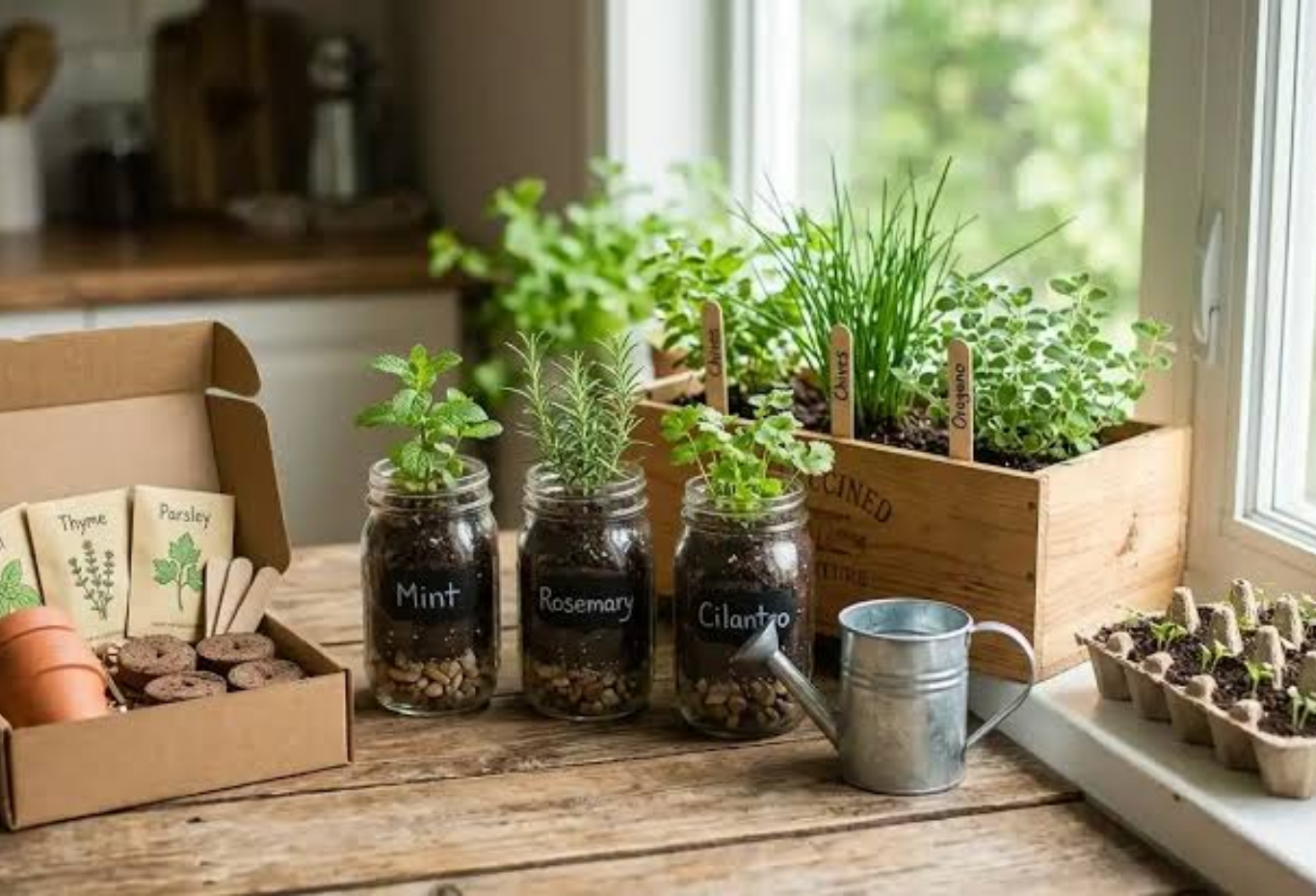
Growing fresh herbs at home does not have to be expensive or complicated. With a few basic supplies, a sunny windowsill, and the right herbs, you can create an affordable indoor herb garden that provides fresh ingredients throughout the year.
An indoor herb garden is especially useful for people who live in apartments, small homes, or areas where outdoor gardening is difficult. Instead of buying expensive gardening systems, you can reuse containers, purchase inexpensive pots, and grow herbs from seeds or small starter plants.
This guide explains how to build a cheap indoor herb garden, what supplies you need, which herbs are easiest to grow, and how to keep your plants healthy without spending a lot of money.
Why Build an Indoor Herb Garden?
Fresh herbs can make everyday meals more flavorful, but buying packaged herbs regularly can become expensive. Growing your own gives you access to fresh ingredients whenever you need them.
An indoor herb garden also requires very little space. A kitchen windowsill, countertop, balcony door area, or small shelf can be enough for several herb plants.
Some other benefits include:
- Lower grocery expenses
- Fresh herbs available year-round
- Better control over growing conditions
- Less food waste
- A pleasant natural addition to your home
- An easy introduction to gardening
You also don't need expensive equipment to get started.
Choose the Right Location
The first step is finding a suitable location for your plants. Most herbs need several hours of sunlight each day, so a bright window is usually the best option.
A south-facing window is often ideal in the Northern Hemisphere because it generally receives strong sunlight. East- or west-facing windows can also work well depending on the amount of available light.
If natural sunlight is limited, you can consider an inexpensive LED grow light instead of purchasing a complete indoor gardening system.
Before choosing a location, make sure the area is:
- Bright enough for your herbs
- Easy to access for watering
- Away from extreme heat
- Away from cold drafts
- Large enough for the containers you plan to use
Start With Affordable Supplies
You don't need a long shopping list to build an inexpensive indoor herb garden.
Basic supplies include:
- Small pots or containers
- Potting soil
- Herb seeds or starter plants
- A small watering can or cup
- A tray to catch excess water
- Labels, if desired
You can reduce costs by looking around your home before buying anything.
Old food containers, jars, small buckets, and unused plant pots can sometimes be repurposed as herb containers. However, containers should be clean and suitable for holding plants.
If you reuse a container, make sure it has drainage holes or can safely be modified to provide drainage.
Decide Between Seeds and Starter Plants
One of the biggest decisions when building an affordable indoor herb garden is whether to grow from seeds or buy young plants.
Growing From Seeds
Seeds are usually the cheapest option, especially if you want to grow several plants.
A single packet can provide enough seeds for multiple growing attempts. However, seeds take longer to develop and require a little more patience.
Good herbs to start from seeds include:
- Basil
- Cilantro
- Parsley
- Dill
- Chives
Buying Starter Plants
Starter plants cost more initially but provide a quicker way to get fresh herbs.
If you're new to gardening, buying one or two healthy starter plants can be a good way to learn basic care before experimenting with seeds.
For maximum savings, you can combine both approaches: buy one established plant and grow additional herbs from seeds.
Pick Easy Herbs for Beginners
Not every herb is equally easy to grow indoors.
If your goal is to create a cheap indoor herb garden, start with herbs that are relatively simple to maintain.
Basil
Basil is one of the most popular indoor herbs. It grows quickly under good conditions and works well in pasta, salads, sauces, and sandwiches.
Chives
Chives are compact and don't require much space. They can be useful for adding flavor to eggs, soups, potatoes, and salads.
Mint
Mint can grow vigorously, making it useful for drinks, desserts, and cooking. Keep it in its own container because it can spread aggressively.
Parsley
Parsley grows well in containers and can be used as both an ingredient and garnish.
Cilantro
Cilantro is another useful kitchen herb, although it can be somewhat sensitive to heat and may require replanting regularly.
Starting with two or three herbs is usually better than filling your home with plants immediately.
Use the Right Soil
Regular garden soil isn't always the best choice for indoor containers because it can become compacted and may not provide the drainage your herbs need.
A basic indoor potting mix is usually a better option.
You don't necessarily need the most expensive soil available. Look for a reasonably priced potting mix designed for containers and indoor plants.
Good drainage is particularly important because consistently wet soil can cause root problems.
Don't Overwater Your Herbs
Overwatering is one of the most common mistakes beginners make.
Many people assume that giving plants more water will help them grow faster. In reality, constantly wet soil can damage roots.
Before watering, check the soil with your finger. If the surface feels dry, the plant may need water. If it is still noticeably damp, wait a little longer.
Your watering schedule will depend on factors such as:
- Herb variety
- Container size
- Indoor temperature
- Humidity
- Amount of sunlight
- Type of soil
Instead of following a strict daily schedule, pay attention to the condition of the soil and plant.
Save Money by Reusing Containers
One of the easiest ways to reduce the cost of an indoor herb garden is to reuse containers.
You may already have suitable items around the house, such as:
- Small food containers
- Old plant pots
- Ceramic cups
- Metal containers
- Glass jars
However, drainage should always be considered. Containers without proper drainage can allow excess water to remain around the roots.
You can also place inexpensive saucers or trays underneath your pots to protect countertops and windowsills from water.
Make Your Own Simple Herb Labels
Garden labels are convenient, but they're not necessary.
You can make simple labels using materials you already have. Wooden sticks, leftover cardboard, or clean plastic pieces can work for basic identification.
Write the herb name on the label and place it next to the plant.
This is particularly useful when you're growing several herbs from seeds and need to remember which container contains which variety.
Consider an Affordable Grow Light
Natural sunlight is usually the cheapest source of light, but some homes don't receive enough.
If your herbs look weak, pale, or unusually stretched toward a window, they may not be receiving enough light.
Instead of buying a complicated hydroponic gardening system, consider a basic LED grow light.
Position the light according to the manufacturer's recommendations and use a timer if necessary. A simple setup can provide supplemental lighting without turning your herb garden into an expensive project.
Buy Supplies Strategically
You don't need to purchase everything at once.
Start with the herbs you use most frequently. If you regularly cook with basil and parsley, begin with those instead of buying six different varieties.
Look for gardening supplies during seasonal sales and compare prices between garden centers, supermarkets, and online retailers.
You can also save money by buying seeds rather than repeatedly purchasing mature plants.
The goal isn't to create the most impressive garden immediately. It's to build a useful garden gradually.
Harvest Herbs the Right Way
Regular harvesting can encourage some herbs to produce more usable growth.
For leafy herbs such as basil, avoid removing too much of the plant at once. Harvest small amounts as needed and leave enough healthy growth for the plant to continue developing.
Use clean scissors or kitchen shears when cutting herbs.
Harvesting only what you need can also help reduce food waste because you're not opening a package of herbs and allowing unused portions to spoil.
Keep Your Indoor Herb Garden Healthy
Once your garden is established, basic maintenance is usually simple.
Check your plants regularly for:
- Dry soil
- Yellowing leaves
- Drooping stems
- Pests
- Poor growth
- Signs of insufficient light
Remove dead or damaged leaves when necessary and keep the growing area clean.
If you notice insects, identify the problem before applying any treatment. Avoid automatically using harsh chemicals indoors when simpler solutions may be appropriate.
Calculate the Real Cost
An affordable indoor herb garden isn't necessarily one with the lowest upfront price. You should also consider how much you spend over time.
For example, buying a starter plant may cost more than a seed packet, but it can provide usable herbs immediately. On the other hand, seeds can be much cheaper if you're willing to wait.
Think about:
Initial cost + ongoing supplies − grocery savings = approximate long-term cost
The more frequently you use fresh herbs, the more potential value your garden can provide.
Expand Your Garden Slowly
Once you successfully grow two or three herbs, you can gradually expand.
You might add oregano, thyme, rosemary, sage, or other herbs that fit your cooking habits.
Avoid expanding too quickly. More plants mean more containers, soil, space, and maintenance.
A small garden that stays healthy is better than a large garden that becomes difficult to manage.
Final Thoughts
Building an affordable indoor herb garden is a practical way to enjoy fresh ingredients without spending a lot of money. You don't need expensive equipment, a large room, or advanced gardening experience.
Start with a bright location, inexpensive containers, basic potting soil, and a few easy herbs. Reuse materials whenever possible and spend money only where it genuinely improves the growing environment.
With consistent watering, adequate light, and regular harvesting, even a small windowsill garden can become a useful source of fresh herbs for everyday cooking.