Hostel vs Guesthouse vs Budget Hotel: Which Saves More Money?
Accommodation can be one of the biggest expenses when traveling. Whether you are planning a weekend getaway, a backpacking trip, a business journey, or a longer vacation, choosing the right place to stay can have a major impact on your total travel budget.
Hostels, guesthouses, and budget hotels are three popular options for travelers who want to keep accommodation costs under control. While hostels are often associated with the lowest prices, that does not necessarily mean they are always the cheapest choice.
The real cost depends on factors such as location, room type, length of stay, included amenities, taxes, transportation, and the number of people traveling together.
So, hostel vs guesthouse vs budget hotel—which saves more money? Let's compare each option and find out when it makes the most financial sense.
What Is a Hostel?
A hostel is an accommodation option designed around affordability and shared facilities.
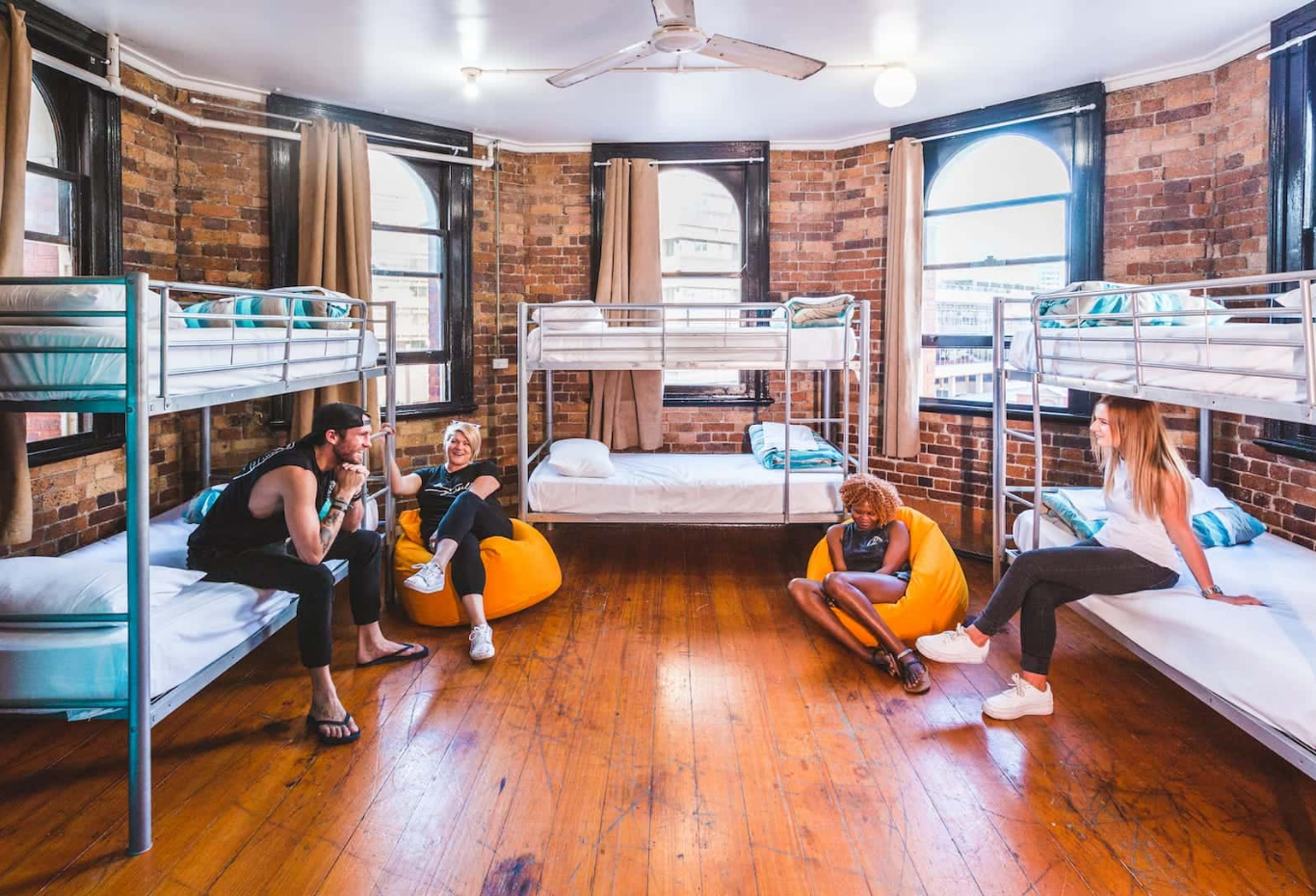
The biggest difference between a hostel and a traditional hotel is that hostels commonly offer dormitory-style rooms. Instead of paying for an entire private room, you pay for an individual bed in a shared room.
Some hostels also offer private rooms, although these can cost considerably more than dorm beds.
Hostels often include shared bathrooms, kitchens, lounges, laundry facilities, and common areas.
Why Hostels Can Be Cheap
The main reason hostels can cost less is that travelers share the accommodation.
For solo travelers, this can significantly reduce the nightly price.
Hostels can also save money by providing communal kitchens. Instead of eating at restaurants for every meal, travelers can purchase groceries and prepare some food themselves.
However, the cheapest dorm bed is not always the best overall deal. You should consider the quality of the facilities, location, included amenities, and additional fees before booking.
What Is a Guesthouse?
A guesthouse is generally a smaller accommodation property offering a more personal and home-like experience.
Guesthouses vary widely. Some are simple family-run properties with basic rooms, while others provide private bathrooms, breakfast, Wi-Fi, and additional amenities.
Unlike hostels, guesthouses usually focus more heavily on private rooms.
This makes them particularly attractive for couples, families, and travelers who want privacy without paying for a full-service hotel.
Why Guesthouses Can Offer Good Value
Guesthouses can provide an excellent middle ground between hostels and hotels.
You may receive a private room at a lower price than a traditional hotel, particularly in smaller cities or less tourist-heavy locations.
Some guesthouses also include breakfast, which can reduce your daily food expenses.
Because guesthouses are often independently operated, prices and amenities can vary significantly. Comparing several properties is therefore important.
What Is a Budget Hotel?
Budget hotels are traditional hotels that focus on providing basic accommodation at a lower price.
A budget hotel usually gives you a private room and may include a private bathroom, Wi-Fi, housekeeping, television, and other basic services.
The facilities may be simpler than those found at a mid-range or luxury hotel, but the experience can be more predictable.
Budget hotels can be especially attractive to travelers who prioritize privacy, convenience, and consistency.
Comparing the Three Options
When comparing a hostel, guesthouse, and budget hotel, don't look only at the advertised nightly rate.
Consider what you actually receive for the price.
| Feature | Hostel | Guesthouse | Budget Hotel |
|---|---|---|---|
| Lowest possible price | Usually strongest | Often competitive | Varies |
| Private room | Sometimes | Usually | Usually |
| Shared rooms | Common | Rare | Rare |
| Shared kitchen | Common | Sometimes | Less common |
| Privacy | Low in dorms | High | High |
| Social atmosphere | Usually high | Moderate | Usually lower |
| Housekeeping | Varies | Varies | Common |
| Best for | Solo travelers | Couples/families | Privacy-focused travelers |
The cheapest option depends heavily on your circumstances.
Hostels Are Often Best for Solo Travelers
If you are traveling alone and your primary goal is minimizing accommodation costs, a hostel dorm can be difficult to beat.
You pay for one bed rather than an entire room.
For backpackers and younger travelers, hostels can provide another financial advantage: social spaces where you can meet other travelers and potentially share transportation or activities.
However, privacy is limited.
You should also consider whether you are comfortable sleeping in a shared room with strangers.
Guesthouses Can Be Better for Couples
If two people are traveling together, the price calculation changes.
Suppose a hostel charges per person for two dorm beds while a guesthouse offers a reasonably priced private room for two people.
The guesthouse could become the better value.
You also gain privacy and may receive additional amenities such as breakfast or a private bathroom.
This is why travelers should compare the total room cost, rather than automatically assuming that hostels are cheaper.
Budget Hotels Can Be Better for Families
Families often have different accommodation requirements.
A family may need a private room, multiple beds, a private bathroom, and enough space for children.
A hostel dorm may not be practical or may not permit children in certain room types.
A budget hotel or guesthouse may therefore provide better overall value even if its advertised nightly rate is higher.
The important question is how much you pay for the accommodation that actually meets your requirements.
Consider the Location
Location can completely change the financial calculation.
A cheap hotel located far from major attractions may require daily spending on buses, trains, taxis, or rideshare services.
A slightly more expensive hostel or guesthouse within walking distance of your main destinations could ultimately cost less.
Before booking, estimate your transportation expenses.
Ask yourself:
Will the cheaper accommodation actually save me money after transportation costs?
This is especially important in large cities where accommodation prices can vary dramatically between neighborhoods.
Don't Forget Food Costs
Accommodation is only one part of your travel budget.
A property that includes breakfast can sometimes provide better overall value than a slightly cheaper room without food.
Hostels with kitchens can also help travelers reduce food expenses.
If you plan to cook regularly, check whether the kitchen is actually available and usable.
For longer stays, access to a refrigerator, microwave, or cooking facilities can make a meaningful difference to your budget.
Watch for Additional Fees
The advertised accommodation price may not represent the final cost.
Before booking, check for:
- Taxes
- Resort or service fees
- Cleaning charges
- Linen fees
- Breakfast charges
- Parking costs
- Wi-Fi fees
- Luggage storage charges
- Extra-person charges
Always compare the final booking price rather than the initial headline rate.
A room that appears cheaper at first may become more expensive after additional charges are added.
Consider the Length of Your Stay
Your preferred accommodation type can change depending on how long you are staying.
For a one-night stopover, a budget hotel near a train station or airport may provide excellent convenience.
For a week-long trip, a hostel or guesthouse with kitchen facilities may provide greater savings.
Longer stays may also qualify for discounts at some independent properties.
Always ask whether a weekly or extended-stay rate is available.
Look Beyond the Lowest Price
Saving money does not mean choosing the absolute cheapest room.
Poor-quality accommodation can create hidden costs.
For example, a poorly located property might require expensive transportation. A room without air conditioning in a hot climate might make your stay uncomfortable. A place with poor reviews may lead you to spend money changing accommodation.
Read recent guest reviews and pay attention to repeated complaints.
Look for comments about cleanliness, noise, location, staff, security, and the condition of the facilities.
Ways to Save More on Accommodation
Regardless of whether you choose a hostel, guesthouse, or budget hotel, several strategies can help reduce your costs.
Book During Less-Busy Periods
Accommodation prices often increase during major holidays, festivals, events, and peak tourist seasons.
Traveling during quieter periods can provide better rates.
Compare Multiple Properties
Don't book the first property you find.
Compare several options in the same neighborhood and check what is included in each price.
Consider Flexible Dates
Changing your stay by one or two days can sometimes produce significant price differences.
Look for Free Amenities
Free breakfast, Wi-Fi, parking, luggage storage, or kitchen access can increase the real value of a property.
Stay Slightly Outside the Tourist Center
If public transportation is convenient, staying outside the most expensive tourist district can reduce accommodation costs without making sightseeing difficult.
So, Which Saves More Money?
There is no universal winner.
Hostels are usually the strongest option for solo travelers who are comfortable sharing rooms and facilities.
Guesthouses can offer excellent value for couples and travelers who want private accommodation with a more personal atmosphere.
Budget hotels can be the better choice for travelers who prioritize privacy, predictable amenities, families, or convenient locations.
The cheapest accommodation is ultimately the one that provides what you need at the lowest total travel cost.
Final Thoughts
Choosing between a hostel vs guesthouse vs budget hotel requires more than comparing nightly prices.
Hostels can deliver exceptional savings for solo travelers, especially when dorm beds and shared kitchens are available. Guesthouses can provide affordable private rooms and may be ideal for couples or families. Budget hotels offer privacy and convenience while often maintaining relatively low prices.
To find the best deal, compare the final price, location, transportation requirements, food costs, included amenities, and additional fees.
Most importantly, choose accommodation based on your actual travel needs. A slightly more expensive room can sometimes save money overall if it includes breakfast, reduces transportation costs, or provides the privacy and facilities you need.
With careful comparison and flexible planning, you can find comfortable accommodation without allowing lodging costs to consume your entire travel budget.