High-End Sound on a Budget: Audiophile Headphone Setup Guide
Getting high-end sound does not always require spending hundreds or thousands of dollars on an expensive audio system. With the right combination of budget audiophile headphones, a suitable amplifier or DAC, quality audio files, and proper setup, you can create an impressive listening experience without emptying your wallet.
Many people assume that becoming an audiophile means buying premium equipment immediately. In reality, the biggest improvements often come from choosing components that work well together rather than simply purchasing the most expensive products.
This budget audiophile headphone setup guide explains how to build a high-quality headphone system, what equipment actually matters, where you can save money, and which upgrades are worth considering.
What Is an Audiophile Headphone Setup?
An audiophile headphone setup is a collection of audio equipment designed to deliver detailed, balanced, and enjoyable sound.
A basic setup can include:
Audio source → DAC → Headphone amplifier → Headphones
However, you don't necessarily need every component separately. Many modern devices combine multiple functions into one unit.
For example, a USB DAC/headphone amplifier can connect directly to your computer or smartphone and power your headphones. This can be a much more affordable solution for beginners.
The goal isn't simply to make your system expensive. The goal is to achieve clean, detailed, well-balanced sound for the money you spend.
Start With the Headphones
Your headphones are usually the most important part of the setup, so this is where you should spend most of your budget.
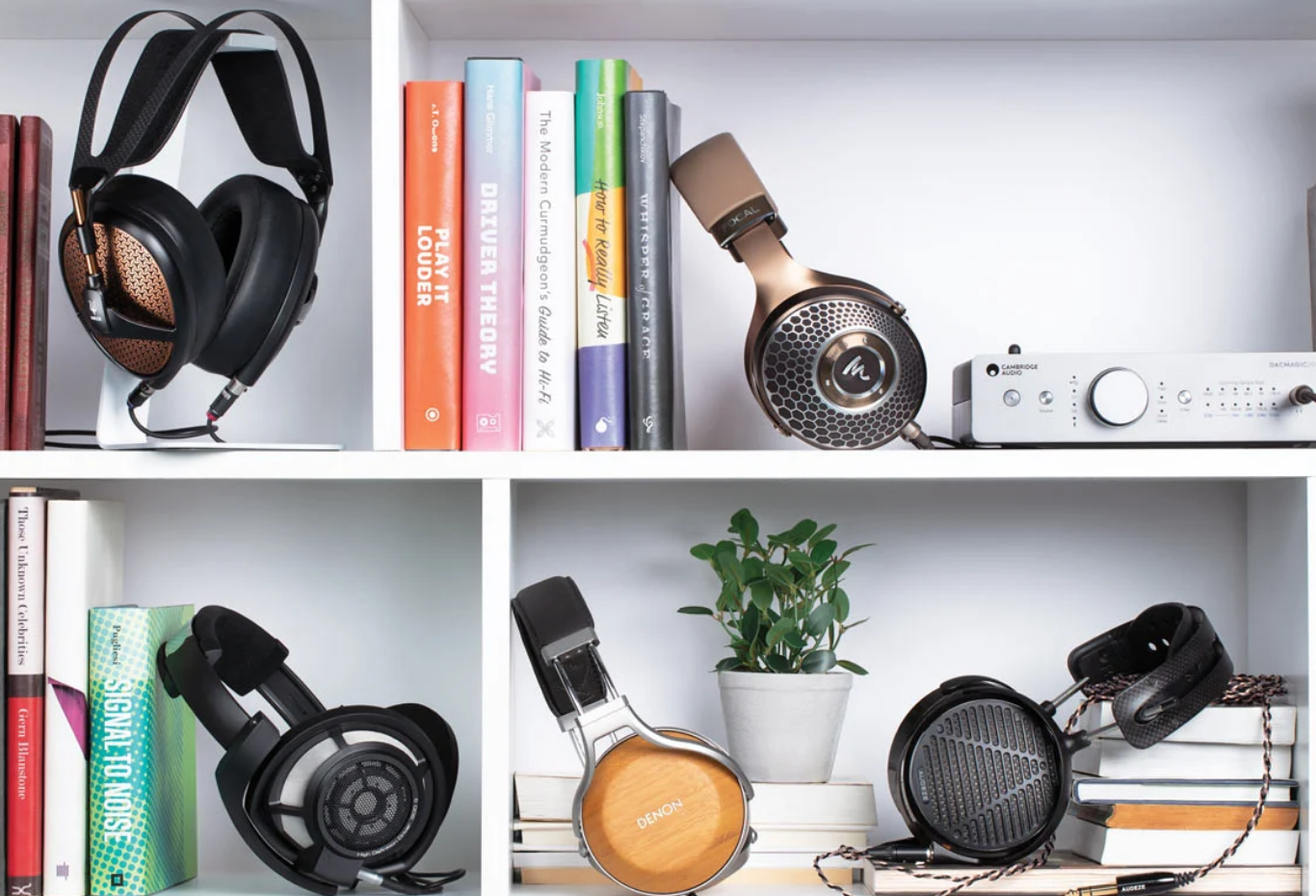
You can find excellent budget audiophile headphones without paying premium prices. Depending on your preferences, you can choose between open-back, closed-back, wired, and wireless models.
Open-Back Headphones
Open-back headphones allow air to pass through the back of the ear cups. They are popular among audiophiles because they can provide a more spacious and natural presentation.
They're particularly useful for:
- Music listening
- Classical music
- Jazz
- Instrumental tracks
- Gaming
- Critical listening
The main disadvantage is sound leakage. People nearby may hear what you're listening to, and outside noise can also enter.
Closed-Back Headphones
Closed-back headphones isolate your ears from the outside environment and prevent much of the sound from escaping.
They're ideal for:
- Office use
- Travel
- Noisy environments
- Recording
- Private listening
If you frequently listen around other people, closed-back headphones may be more practical.
How Much Should You Spend?
You don't need to spend a fortune to get started.
A sensible beginner budget could look something like this:
- Headphones: $80–$200
- DAC/amp: $50–$150
- Accessories: $20–$50
That puts a complete setup roughly in the $150–$400 range, depending on your choices.
Of course, you can spend less or considerably more. The important thing is to avoid putting most of your budget into accessories while using mediocre headphones.
Do You Need a DAC?
A digital-to-analog converter (DAC) converts digital audio signals into an analog signal that your headphones can reproduce.
Every digital audio device already has a DAC. Your phone, laptop, tablet, and computer all contain one.
So, do you need an external DAC?
Not necessarily.
If your existing device produces clean audio without noticeable noise or distortion, an expensive DAC may not create a dramatic improvement.
An external DAC becomes more useful when your current device has:
- Audible background noise
- Poor headphone output
- Electrical interference
- Insufficient output quality
- Compatibility problems
For a budget setup, a reasonably priced USB DAC can be a smart upgrade, but there's no need to spend hundreds of dollars immediately.
Do You Need a Headphone Amplifier?
A headphone amplifier provides the power required to drive headphones.
Some headphones are easy to drive and work perfectly from a laptop, phone, or small portable DAC. Others have higher power requirements and can benefit from a dedicated amplifier.
If your headphones are already loud enough and sound clean, buying a powerful amplifier may not dramatically change the experience.
However, if you're experiencing low volume, distortion, or inadequate dynamics, an appropriate headphone amplifier can help.
DAC/Amp Combo: A Budget-Friendly Solution
For beginners, a DAC and headphone amplifier combination is often one of the best choices.
Instead of buying two separate devices, you get both functions in one compact unit.
This can:
- Reduce cost
- Save desk space
- Simplify connections
- Make setup easier
- Provide enough power for many headphones
It's an excellent approach for anyone building their first audiophile headphone system.
Don't Ignore the Audio Source
Even expensive headphones can't completely compensate for poor-quality recordings.
Fortunately, you don't necessarily need enormous high-resolution audio files to enjoy good sound.
Start with a reliable music service or high-quality digital files. Lossless formats can preserve the original audio information without the compression associated with some lossy formats.
However, don't become obsessed with file specifications.
A well-mastered recording at a standard quality level can sound much better than a poorly mastered recording with an impressive technical specification.
Recording quality and mastering often matter more than chasing the biggest numbers.
Wired vs. Wireless: Which Is Better?
If sound quality is your primary goal, wired headphones are generally the easier choice for building a traditional audiophile setup.
A wired connection avoids wireless compression and battery limitations while providing a straightforward signal path.
Wireless headphones, however, offer major advantages in convenience.
They're excellent for:
- Commuting
- Travel
- Work
- Exercise
- Everyday listening
Modern wireless headphones can sound very good, but if you're building a dedicated budget audiophile headphone setup, wired headphones are usually the better starting point.
Consider Your Music Preferences
There is no universally perfect headphone.
Different headphones emphasize different aspects of music.
If you listen mostly to:
Rock and metal: Look for strong instrument separation and controlled bass.
Hip-hop and electronic music: You may prefer headphones with deeper and more powerful bass.
Classical music: Soundstage, detail, and instrument separation can be especially important.
Vocals and acoustic music: Natural midrange reproduction may be your priority.
Gaming: Imaging and positional accuracy can be more important than extreme bass.
Think about the music you actually listen to instead of choosing headphones simply because they're popular.
Headphone Comfort Matters
Sound quality isn't the only factor.
If your headphones become uncomfortable after 30 minutes, you probably won't enjoy using them regularly.
Before buying, consider:
- Headphone weight
- Ear-pad material
- Clamp pressure
- Headband padding
- Ear-cup size
- Cable design
Comfort becomes particularly important if you regularly listen for several hours.
Sometimes a slightly less expensive headphone that fits comfortably can be a better purchase than a technically superior model that hurts your ears.
Don't Overspend on Accessories
The audiophile market contains countless accessories, including premium cables, stands, pads, adapters, and other upgrades.
Some accessories can be useful, but beginners should avoid spending their entire budget on them.
A basic headphone stand can keep your desk organized. Replacement ear pads can improve comfort or restore an older pair of headphones.
But you probably don't need an extremely expensive cable to begin enjoying high-quality audio.
Put your money into the components that have the greatest practical impact.
EQ Can Be Your Best Upgrade
One of the most cost-effective ways to improve your headphone experience is equalization (EQ).
EQ allows you to adjust different frequency ranges.
For example, you can:
- Reduce excessive bass
- Improve vocal clarity
- Control harsh treble
- Create a warmer sound
- Correct certain tonal imbalances
Instead of immediately replacing headphones because you don't like their sound signature, experiment with EQ first.
Many software solutions are free, making EQ one of the best zero-cost headphone upgrades available.
Take Care of Your Equipment
Good headphones can last for years when properly maintained.
Keep them away from excessive moisture, extreme temperatures, and unnecessary physical stress.
Regularly clean the ear pads and headband according to the manufacturer's recommendations.
If your headphones have a detachable cable, avoid repeatedly pulling the cable from awkward angles.
Proper storage is also important. Don't leave expensive headphones where they can easily fall from a desk or get stepped on.
Taking care of your equipment helps you get more value from your original investment.
A Simple Budget Audiophile Setup
If you're starting from scratch, you don't need a complicated system.
A practical setup might look like:
Laptop or phone → USB DAC/headphone amp → Wired headphones
Add a comfortable chair, a quiet listening environment, and your preferred music service.
That's it.
You don't need multiple amplifiers, expensive cables, exotic accessories, or a huge collection of equipment.
Once you've used the system for a while, you'll have a better understanding of what you actually want to improve.
Upgrade Based on Problems, Not Hype
One of the smartest rules for building an affordable audiophile system is:
Upgrade what you can actually hear or feel is missing.
If your headphones don't have enough bass, consider different headphones or EQ.
If they're uncomfortable, replace the pads or choose another model.
If your source has audible noise, consider a DAC.
If your headphones aren't getting enough power, consider an appropriate amplifier.
This approach prevents unnecessary spending and keeps your budget headphone setup focused on real improvements.
Final Thoughts
Building a high-end sounding headphone system on a budget is completely possible. You don't need expensive equipment or a room filled with audio components to enjoy detailed, immersive music.
Start with good headphones, choose a DAC or amplifier only when necessary, use quality recordings, and prioritize comfort. Experiment with EQ before spending money on upgrades, and avoid getting caught up in expensive accessories that don't solve an actual problem.
The best audiophile headphone setup isn't necessarily the most expensive one. It's the system that gives you the sound you enjoy, fits your listening habits, and delivers the most value for your budget.
With careful purchasing and a little experimentation, you can achieve an enjoyable high-end sound experience on a budget—and still have money left over for more music.