Essential Car Emergency Kit Items You Can Assemble Yourself
A car can make everyday travel easier, but unexpected problems can happen at any time. A flat tire, dead battery, bad weather, minor accident, or getting stuck in traffic can quickly turn a normal journey into a stressful situation.
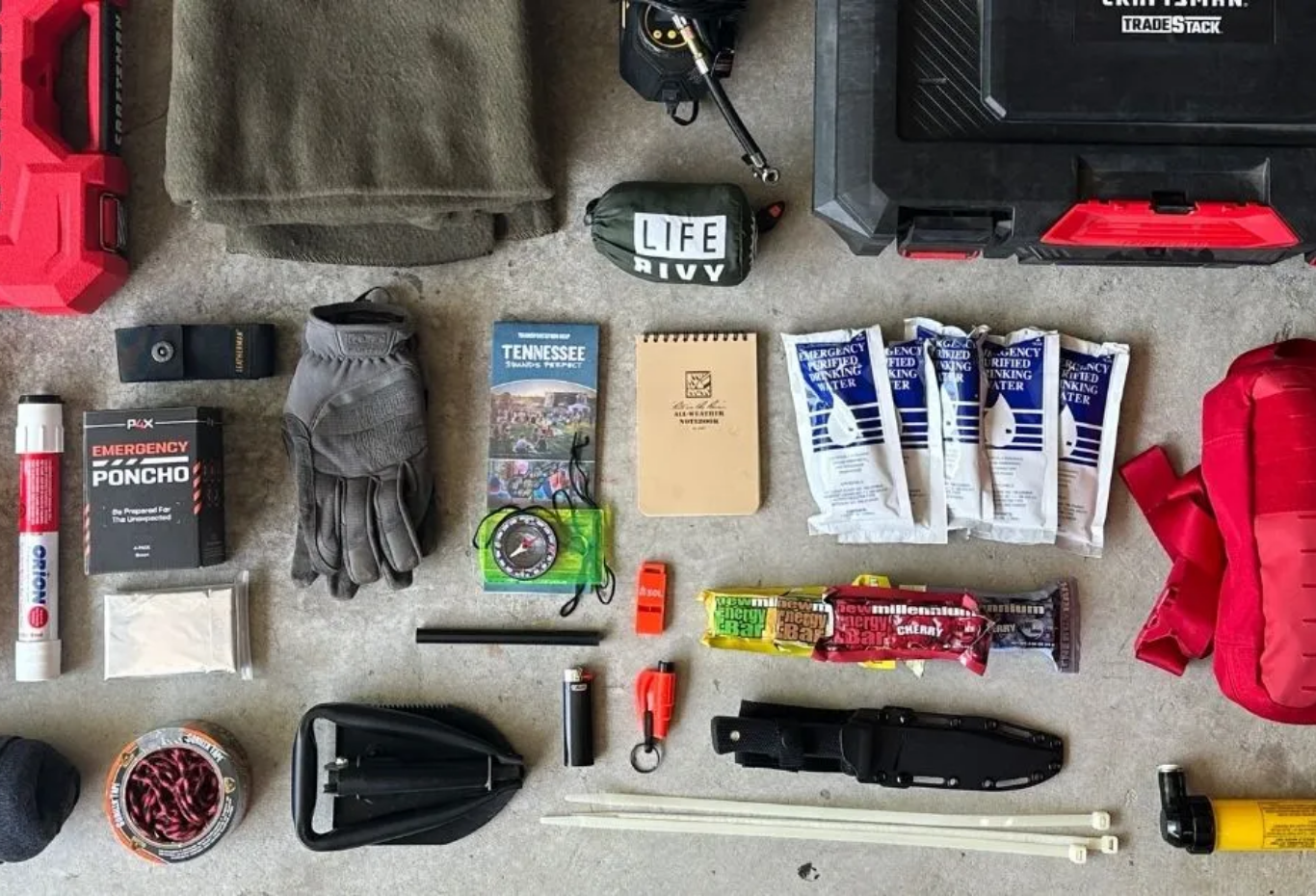
That is why keeping a car emergency kit in your vehicle is a smart habit. You do not necessarily need to purchase an expensive preassembled kit. In many cases, you can build your own roadside emergency kit using affordable and practical items.
A DIY kit also gives you the flexibility to choose items based on your vehicle, driving habits, local weather, and the types of trips you normally take.
Here are the essential items worth considering when assembling your own car emergency kit.
1. First-Aid Kit
A basic first-aid kit should be one of the first things you add to your vehicle.
Minor injuries can happen while changing a tire, handling equipment, or dealing with a small accident. A compact first-aid kit can help you handle minor cuts, scrapes, blisters, and other common injuries until professional medical assistance is available.
Consider including:
- Adhesive bandages
- Sterile gauze
- Medical tape
- Antiseptic wipes
- Disposable gloves
- Small scissors
- Tweezers
- Emergency blanket
- Basic wound-care supplies
Keep everything inside a waterproof container or bag so the supplies remain protected.
2. Portable Phone Charger
Your smartphone can be extremely useful during a roadside emergency, particularly for contacting roadside assistance, emergency services, or someone you trust.
However, a phone with a dead battery is not very helpful.
Keep a fully charged power bank in your car along with the appropriate charging cable. Check the power bank periodically and recharge it when necessary.
You can also keep a car charger as a backup if your vehicle has a working power outlet or USB connection.
3. Jumper Cables
A dead battery is one of the most common reasons drivers need roadside assistance.
A good set of jumper cables can be useful if your battery loses power and another vehicle is available to provide a jump start.
Choose cables that are long enough to reach between vehicles and appropriate for your vehicle type.
It is also important to learn the correct procedure for using jumper cables before you need them. Incorrect connections can damage electrical systems or create dangerous sparks.
If you frequently travel alone, consider a suitable portable jump starter instead of relying entirely on another vehicle.
4. Tire Repair and Inflation Equipment
Flat tires can happen without warning, making tire-related equipment an essential part of your roadside emergency kit.
At minimum, know whether your vehicle has a spare tire, tire-changing tools, and a jack.
You may also want to carry:
- Portable tire inflator
- Tire pressure gauge
- Tire repair kit suitable for temporary emergency use
- Work gloves
Check your spare tire periodically. A spare that is flat or damaged will not help when you need it.
A tire inflator is particularly convenient because it can help restore pressure after a minor loss of air.
5. Flashlight and Extra Batteries
A flashlight becomes extremely valuable when a problem occurs at night.
Trying to inspect a tire, find something under the hood, or walk around your vehicle in darkness can be difficult without adequate lighting.
Choose a durable flashlight and keep spare batteries in a separate waterproof container.
A headlamp can be even more convenient because it leaves both hands free while you work.
6. Reflective Warning Equipment
Visibility is extremely important during a roadside breakdown.
Other drivers may not immediately see a vehicle stopped on the side of the road, especially at night or during poor weather.
Consider keeping reflective warning triangles, a reflective vest, or other visibility equipment appropriate for your area.
These items can help make you more visible while you wait for assistance.
Always prioritize your personal safety and follow local laws and guidance regarding where and how to position warning equipment.
7. Basic Tools
You do not need a complete professional mechanic's toolbox in your car.
A small collection of useful tools can still help with minor problems.
Consider carrying:
- Multi-tool
- Screwdrivers
- Adjustable wrench
- Pliers
- Utility gloves
- Duct tape
- Zip ties
- Small roll of electrical tape
These tools may be useful for temporary repairs or simple adjustments.
Avoid attempting complex mechanical repairs on the roadside if you are not trained to perform them.
8. Work Gloves
Work gloves are inexpensive but surprisingly useful.
They can protect your hands from dirt, sharp edges, hot components, and rough surfaces while you handle a tire or inspect your vehicle.
Choose durable gloves that fit properly and keep them somewhere easy to access.
Having gloves ready can make roadside tasks considerably more comfortable.
9. Water and Non-Perishable Snacks
If you become stranded for several hours, having water and food available can make the situation easier.
Keep bottled water and shelf-stable snacks such as energy bars, crackers, nuts, or other non-perishable foods in your vehicle.
Replace these items periodically and avoid storing products that can spoil quickly, especially in hot climates.
If you frequently take long road trips, consider carrying additional supplies based on the length and remoteness of your journey.
10. Emergency Blanket and Extra Clothing
Weather conditions can change quickly.
An emergency blanket takes up very little space but can help retain body heat if you become stranded in cold conditions.
You can also keep an extra jacket, sweatshirt, gloves, socks, or other appropriate clothing in the vehicle.
Choose supplies according to the climate where you drive. Drivers in colder regions may need substantially different emergency gear than those in hot climates.
11. Water-Resistant Matches or Emergency Fire Starter
An emergency fire-starting tool may be useful in certain outdoor or remote situations, particularly for warmth or signaling.
However, fire can be dangerous inside or near a vehicle, so it should be stored safely and used only in appropriate circumstances.
Never use an open flame inside a vehicle or in an enclosed space.
For many drivers, this item is optional rather than essential. Prioritize communication, visibility, warmth, water, and first aid first.
12. Basic Car Fluids
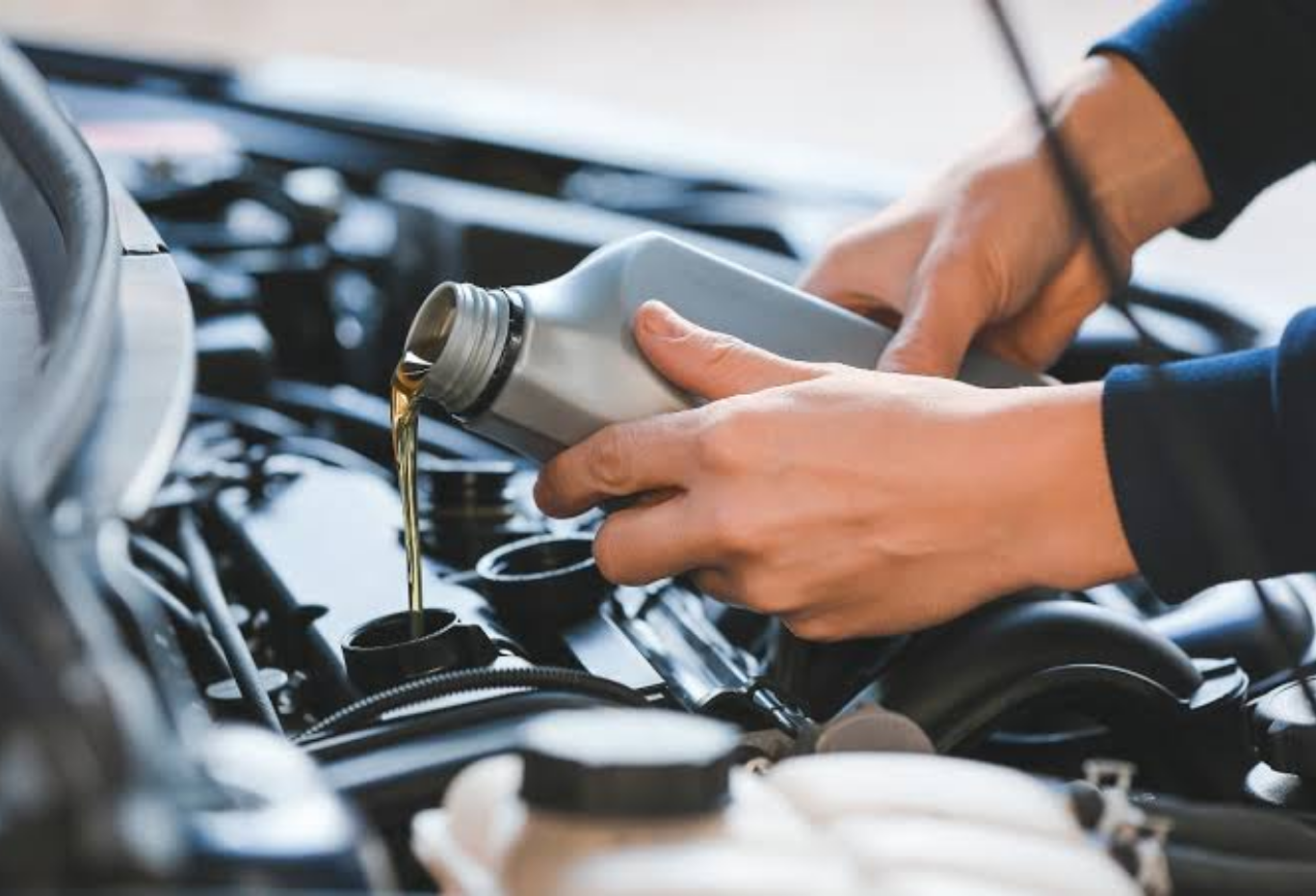
Depending on your vehicle and your mechanical knowledge, keeping small quantities of appropriate automotive fluids may be helpful.
For example, windshield washer fluid can be useful on long journeys.
Some drivers may also carry engine oil or coolant that matches their vehicle's specifications.
However, do not add fluids unless you know what your vehicle requires and understand the correct procedure. Mixing incompatible products or opening a hot cooling system can create serious problems.
Your vehicle's owner's manual should be your primary reference.
13. Paper Copies of Important Information
Technology is useful, but it is smart to keep some important information available offline.
Consider storing a small card containing:
- Emergency contact information
- Roadside assistance details
- Insurance information
- Vehicle identification information
- Important medical or allergy information where appropriate
- Vehicle manufacturer's assistance number
Avoid leaving unnecessary sensitive information inside the vehicle.
A laminated card can protect the information from moisture.
14. Cash and Payment Backup
A small amount of emergency cash can occasionally be useful if you encounter a situation where electronic payment is unavailable.
Keep it securely stored rather than somewhere visible.
You may also want to carry a backup payment method for longer trips.
15. Seasonal Emergency Supplies
Your car emergency kit should change according to the season.
During winter, you may want to add:
- Warm clothing
- Extra blankets
- Ice scraper
- Suitable traction material
- Additional water and food
During hot weather, consider:
- Extra drinking water
- Sun protection
- Lightweight clothing
- Additional fluids appropriate for your vehicle
Drivers who regularly travel through remote areas should consider carrying more extensive supplies than someone who only drives short distances in a populated area.
How to Organize Your DIY Car Emergency Kit
A good emergency kit is only useful if you can find what you need quickly.
Use a sturdy storage box, backpack, or organizer with separate compartments.
Place frequently needed items where they are easy to reach. Heavy tools should be secured so they do not become dangerous projectiles during sudden braking or a collision.
Consider labeling compartments such as:
First Aid | Tire Equipment | Tools | Lighting | Food & Water | Communication
Check the kit every few months. Replace expired, damaged, leaking, or depleted items.
Also inspect your vehicle's spare tire, jack, warning equipment, and other built-in emergency equipment regularly.
Final Thoughts
Building your own car emergency kit does not have to be expensive. By combining everyday supplies with a few specialized emergency items, you can create a practical roadside kit that is tailored to your vehicle and driving conditions.
Start with the essentials: first aid, communication, lighting, tire equipment, jumper cables or a suitable jump starter, visibility equipment, basic tools, water, and emergency clothing.
Then customize the kit based on your climate, travel distance, vehicle type, and personal needs.
Remember that an emergency kit is designed to help you manage unexpected situations—not to replace professional roadside assistance or emergency services. If your vehicle breaks down in an unsafe location, prioritize getting yourself and your passengers to a safe place and contacting appropriate help.
A little preparation can make a major difference when an ordinary drive suddenly becomes an unexpected roadside emergency.